
Biometric Check-Ins Are Coming Here’s How to Prevent the Next Big Queue Jam
Queues at airports have long been more than just “waiting a bit in front of the counter.” They disrupt connections, raise stress levels, overload security services, and create real risks when queue management, border control, and document verification fail to keep up with the flow of people. Against this background, biometric identification, automatic self-service kiosks, virtual queues and customer journey management, predictive analytics and motion sensors no longer look like a fashionable toy, but become a way to keep the system from chaos.
Biometrics Instead Of Stamps And Lengthy Formalities
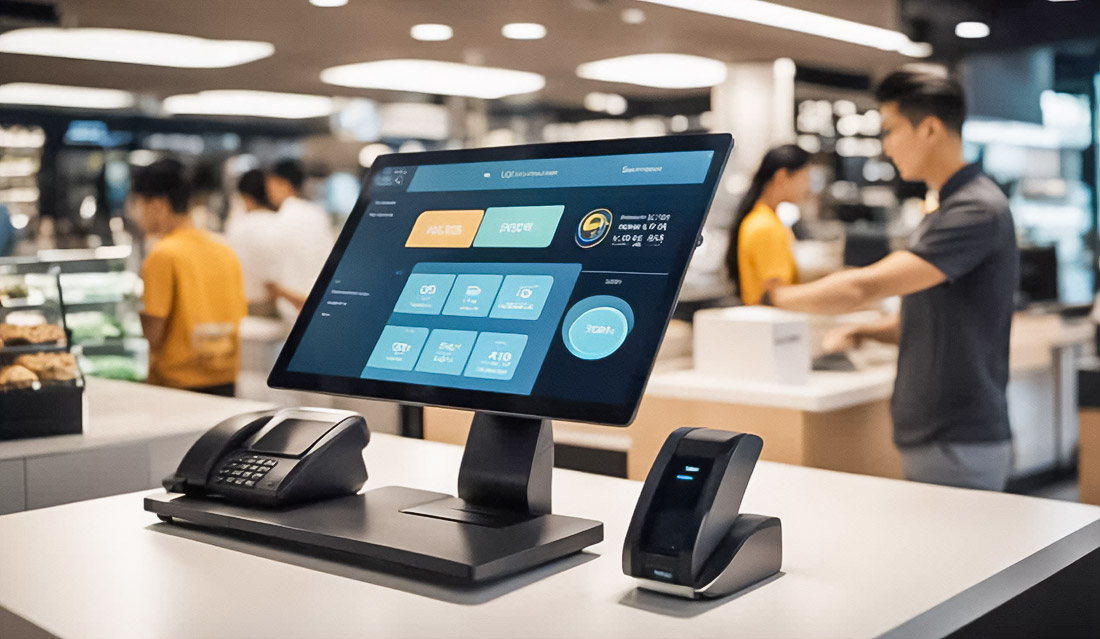
The key watershed has already been marked with dates. Starting from October 12, 2025, the EES system is being launched in the Schengen countries, which replaces passport stamps with mandatory biometric registration: face, four fingerprints, passport data, and verification of compliance with entry rules. Full rigor will come by April 10, 2026, and the data will be stored for up to 5 years according to GDPR standards, without the possibility of abandoning the procedure itself.
On paper, everything looks simple. It takes about 2 minutes per person to get through the kiosk, and the next trips will be faster, because checking your face and passport will be enough. In practice, these two minutes turn into a dense queue when several buses, a train, a family with children and a couple of tour groups arrive at the same time, who for the first time hear the word “biometrics” right in front of the vending machine.
At the same time, strict passport requirements remain. The document must be at least 10 years old at the time of entry and valid for at least 3 more months after the planned departure, otherwise the stamp will not save and boarding may turn into a refusal.
Queuing As A Security Element, Not Just An Inconvenience

Queuing in a terminal is not only an annoyance and a waste of time, it is part of the security system. When the flow of passengers is not controlled, when there is no clear traffic pattern, when there is no virtual queue and predictive analytics, congested areas become a weak link.
Research shows that about 23% of passengers complain about the crowd, and 22% complain about long queues at the checkpoint, and this is directly related to the capacity and quality of queue management.
Automated kiosks and self-service have already shown that when properly integrated, they drastically reduce processing time. Where previously the border procedure took 37 minutes, automation reduced it to 4 minutes, which is about 89% faster. Capacity grew from 41 passengers per hour to 162 passengers per hour, freeing up space, resources and officers to work with real risks rather than paper chores.
The system is based on the principle that the kiosk takes care of data entry and basic verification, while the officer handles the decision rather than typing. Additional levels digital scoreboards, wayfinding, mobile applications, virtual queue, real time monitoring – allow you to distribute flows and unload bottlenecks before they turn into a multi-hour traffic jam.
How To Prepare For New Procedures And Not Get Stuck In A Virtual Traffic Jam
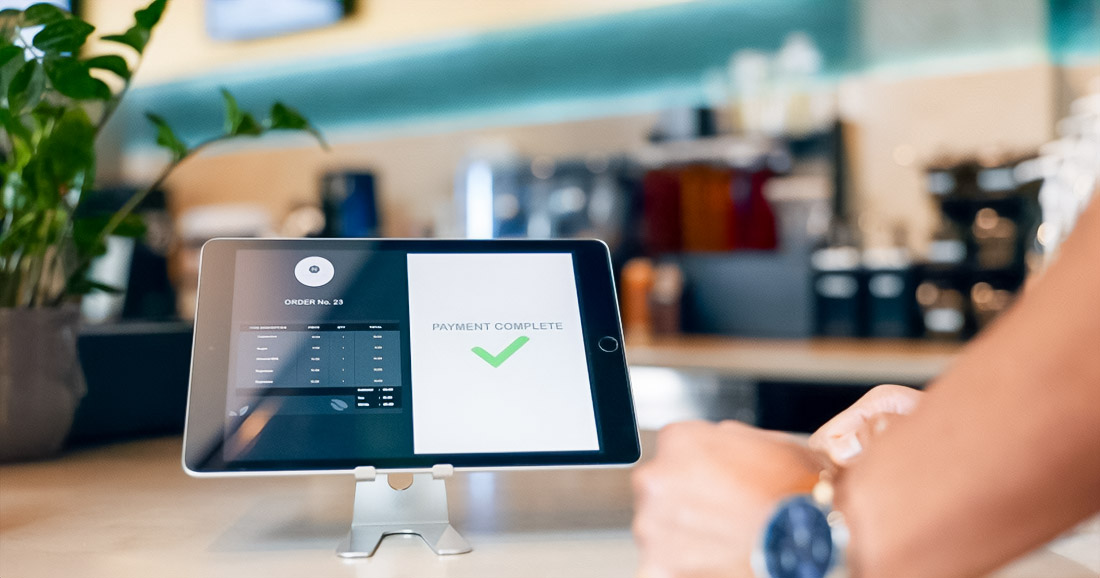
New rules and technologies alone do not guarantee comfort. Mistakes still divide passengers into those who pass quickly and those who break the queue. The main failures look predictable: an expired or “borderline” passport, arrival without a reserve of time, hope for the old scheme “they will put a stamp and everything will be solved”, unwillingness to biometric registration at the kiosk.
New layers of regulations are added to this. After the EES becomes fully operational, an electronic permit with a validity period of 3 years and a cost of €20 will come into play, without which departure to the same Schengen simply will not take place. It is pointless to buy it in advance from “intermediary services” until the system is officially launched, and it is important to keep this in mind when planning trips.
In this context, queue management is no longer a “comfort” task. It’s not just the waiting time and the length of the line in front of the check-in desk. This is a combination of biometric identification, automatic gates, virtual queues, structured terminal layout, trained personnel, monitoring and predictive analytics that shows in advance where a new bottleneck will arise.
Those who check their passports on time, understand the requirements of the EES, reserve for biometric registration and know how to read the scoreboard, almost always find themselves in a short queue. Anyone who ignores queue management at the trip planning level gets the same two minutes at the kiosk, but an hour in front of them in a dense live chain.
